Commercial Waste in Rickmansworth for organised, compliant business clearance
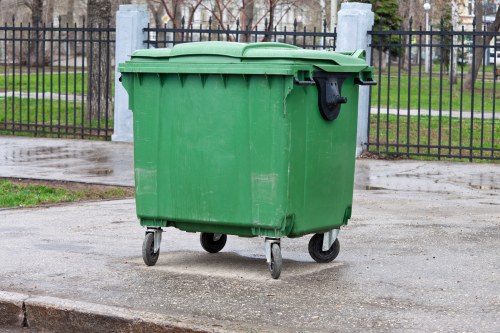
Commercial waste in Rickmansworth needs a practical service that keeps premises clear, supports day-to-day operations and handles mixed business rubbish in a structured way. We provide commercial waste removal for offices, shops, workshops, managed properties and other workplaces that need regular or occasional clearance. The focus is straightforward: collect the waste that a business no longer needs, separate what can be recovered, and leave the site ready for normal use again.
That can include sacks of general waste, packaging, shelving, office furniture, broken fixtures and other non-hazardous commercial items that are awkward to move through a working property. Where a load contains different materials, we sort them sensibly so that reusable or recyclable items are handled with care. If you are comparing options, a short note with the type of waste, the access route and the likely volume will help you request a quotation with less back-and-forth.
For businesses that need a broader clearance, our service can support one-off tidy-ups, scheduled removals and property handovers. If you are ready to discuss the job, take a look at the pricing and quotes page and then send us the details of what needs clearing.
General commercial waste collection for business premises
We deal with everyday commercial waste that builds up in occupied premises and storage areas. That may include cardboard, mixed packaging, desk waste, obsolete stock, plastic containers, unwanted display items and general rubbish from refurbishments or reorganised stockrooms. The service is useful when bins are not suitable for bulk items or when waste needs to be removed in one controlled visit rather than left to accumulate.
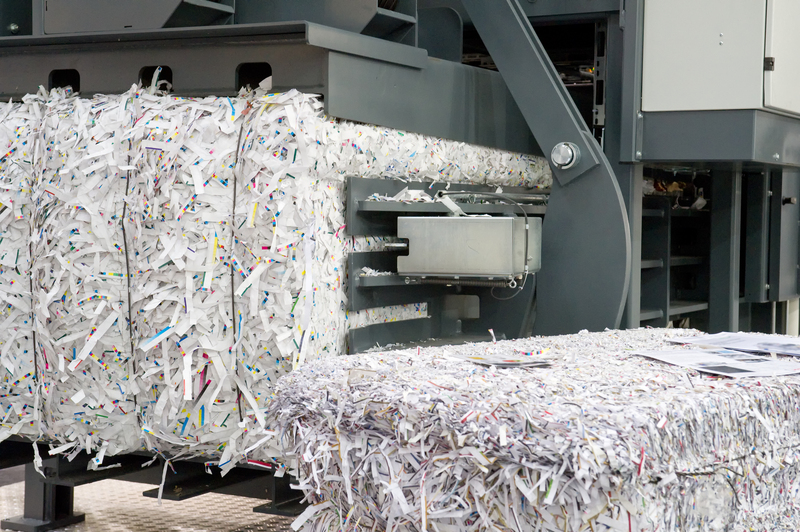
Commercial waste collection is often about keeping operations moving as much as keeping the space tidy. Retail units may need unwanted stock cleared before a fit-out, while small offices often need old paperwork boxes, cupboards and broken equipment removed before new furniture arrives. If sensitive papers are involved, the waste stream should be separated from general rubbish so that confidential material can be dealt with correctly rather than mixed into an ordinary clearance load.
When the job is straightforward, you can keep the discussion simple: what sort of business waste it is, whether access is via ground floor or upper levels, and whether any bulky items need to be dismantled. A concise description is usually enough to start. For businesses looking to plan ahead, the business waste removal page is a useful place to match the service to the kind of material that needs taking away.
Office, storage and back-of-house clearances
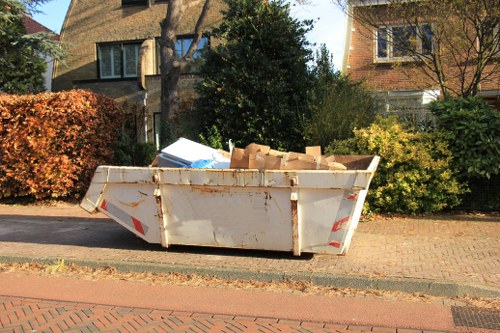
Office waste removal covers the items that collect in workspaces, meeting rooms, filing areas and storage cupboards. This can include chairs, desks, cabinets, monitors, printers, stationery waste and general office clutter left after relocation or reorganisation. We also help with back-of-house areas where broken fixtures and surplus items can slow down the running of the premises if they are left in corridors, storerooms or service rooms.
For larger or more awkward items, dismantling can be sensible before collection, particularly where stairwells, narrow doors or lift access make movement more difficult. Furniture removal and disposal need not be treated as a separate job if the items are part of an office clear-out; they can be handled together when the load is assessed clearly. Where equipment is no longer suitable for reuse, it should be separated from ordinary waste so that the route for disposal is appropriate to the material.
If the clearance forms part of an office move or a re-fit, it helps to list what stays and what goes before the collection is arranged. That avoids unnecessary removal of usable items and makes the schedule easier to plan. Businesses that want to compare service types can review the office clearance page alongside the broader waste options before asking for a quote.
Furniture and bulky item disposal
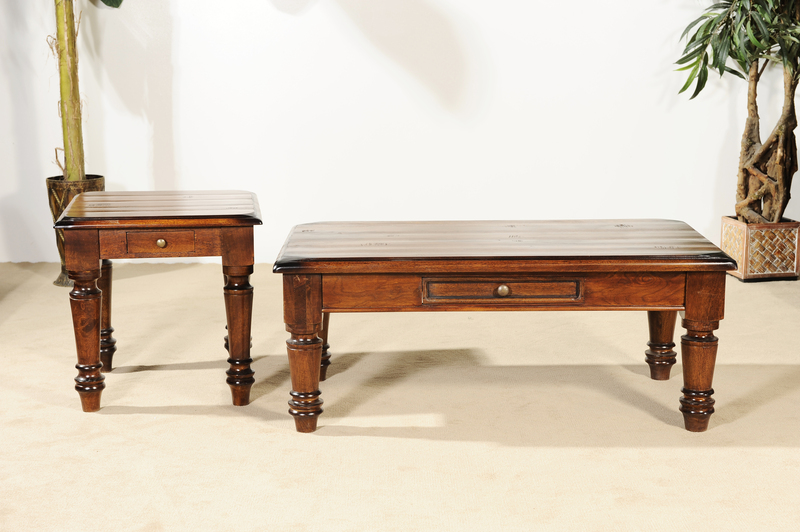
Bulky items are often the hardest part of a commercial clearance because they can block routes, take up valuable storage space and need careful handling to move safely. We collect desks, filing cabinets, shelving, chairs, reception furniture and other office or retail fixtures that are no longer needed. In some cases items are still structurally sound but no longer suitable for the premises; in others they are damaged and need disposal rather than reuse.
Not every bulky item should be treated in the same way. Furniture disposal may involve items that can be separated for recycling, while worn or broken fittings may need to go through a different disposal route. Where furniture is embedded into the layout of a shop, office or workspace, we can discuss whether it needs to be dismantled before removal. That kind of planning is especially helpful when a property has restricted access or shared corridors.
Useful notes for a quotation include the item types, approximate size and whether there are any difficult access points. You do not need a long inventory unless the job is large; a practical list of the bulky pieces is usually enough to start. If the collection is mainly office furniture, the furniture clearance page may help you decide how to describe the load before you enquire.
Household-style clearances for commercial and mixed-use premises
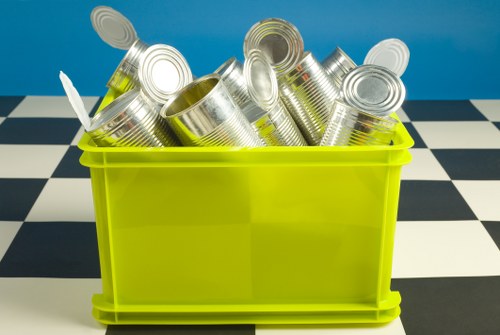
Some business properties contain items that are more domestic in character, especially when a site includes staff accommodation, a converted upper floor, a managed flat or a mixed-use unit. In those cases a house-style clearance may be a better fit than a narrow office-only removal. We can handle general furniture, small appliances, boxed belongings and mixed loose items where the aim is to clear the space in a practical way.
Mixed-use properties often need care because the waste categories are not always obvious from the outside. A room may contain office items, domestic furniture and surplus stock all in one place. The right approach is to separate what is reusable from what is waste, then decide whether items should be moved as part of a general clearance or collected under a more specific service. This keeps the work organised and reduces the chance of useful items being lost in a broad emptying job.
For these jobs, a short explanation of the rooms involved and the broad item types is usually more useful than a long description of the whole building. If you would like to compare a more comprehensive emptying service, look at the house clearance page and then send through the main details for a quotation.
Waste handling for garages, stores and overflow spaces
Garages, stores and overflow rooms often become the place where businesses keep old fixtures, packaging, broken tools and spare items that are no longer in day-to-day use. Over time, these spaces can make it harder to find what is actually needed. We clear mixed waste from these areas, including shelving, small broken equipment, bags of rubbish and items that have been left behind after refurbishments or stock changes.
Because these spaces can contain an uneven mix of materials, it is useful to think about what genuinely belongs in the clearance load. Some items may need to stay on site, while others may be suitable for removal, recycling or disposal. A clear distinction makes the work quicker and helps avoid unnecessary handling. If the garage or store contains awkward items such as loose timber, old shop fittings or collapsed packaging, these can be grouped into the same job where appropriate.
For a simple route into the service, the garage clearance page gives a clear idea of the type of work this covers. Once you have a rough list of what has built up, you can ask for a quote based on the space, the contents and any access issues.
Recycling-focused clearance and item sorting
Many commercial clearances contain a mix of waste that should not all be treated the same way. Cardboard, some plastics, metal fixtures, reusable office items and certain appliances may be handled differently from mixed rubbish or damaged fittings. A sensible waste collection service separates these streams where possible so that items can be directed to the most suitable outcome rather than bundled together without consideration.
That process is especially useful when a business is clearing a back room, changing layout or disposing of redundant stock. The aim is not just to remove items, but to make the job orderly and proportionate. In practice, that means deciding which pieces are for collection, which should be retained, and whether any material needs extra caution because of its composition or condition. The cleaner the sorting, the smoother the load-out.
If recycling matters to you, it is worth checking the service details before you book. The recycling and sustainability page offers a useful starting point for understanding how different materials may be handled within a broader waste removal job.
Special items and controlled disposal

Some commercial premises need more than a general rubbish collection. Certain items, such as fridges, appliances or other specialist loads, can require separate handling because they are bulky, contain components that need special treatment or cannot simply be mixed into ordinary waste. We can discuss the category of item before collection so that the right approach is chosen from the start.
Hazardous or sensitive waste is not something to leave to guesswork. If a load includes material that requires specific care, it should be identified clearly and handled in line with the right disposal route. Likewise, items that contain refrigerants or electrical components may need to be separated from standard furniture or office rubbish. The important point is to avoid combining different waste types when a distinct route is appropriate.
To keep these jobs organised, give a simple description of the item, its condition and where it is stored. If you have a mixed load with specialist pieces in it, the fridge and appliance removal page and the hazardous waste disposal page can help you decide which service description best fits the enquiry.
Clearance planning, access and quotation details
Most commercial waste jobs are easier to price and arrange when the basic facts are clear. A quotation normally depends on the type of waste, the amount to be removed, the access to the property and any handling needed for bulky or awkward items. If the clearance is in a busy trading space, it also helps to say whether work must be done around customers, staff or other contractors so that timing can be planned sensibly.
One or two focused details are usually enough at the enquiry stage. A brief list of the rooms or areas involved, any obstacles such as stairs or narrow corridors, and whether items are loose, bagged or stacked will often do the job. If you are unsure what counts as waste versus reusable stock, make that clear too. A careful first description makes it easier to build a sensible quotation and avoids unnecessary delays.
For direct next steps, you can use the contact us page when you are ready to send the details across. If you prefer to compare the process first, the book online page is another simple route for starting the conversation about your collection.
About Rickmansworth
Rickmansworth is a town in south-west Hertfordshire where the Rivers Colne, Chess and Gade meet within a landscape shaped by canals, waterways and older settlement patterns. The Grand Union Canal passes through the area, and the town has long been associated with transport corridors linking London, Watford and the wider Chiltern edge. The name appears in medieval records, and over time the settlement developed from a smaller historic centre into a more varied suburban town with residential streets, civic buildings and local shopping areas. Its setting is unusual in that natural watercourses remain a visible part of the town’s character rather than being hidden away; the canal and the river valleys create open views and a sense of space close to the centre. Rickmansworth Aquadrome, a large public green space with lakes and paths, is one of the town’s best-known landmarks and gives the area a strong recreational identity. The town also has notable historic architecture, including churches, older houses and buildings connected with the development of local estates and transport. Nearby Chorleywood and Croxley Green form part of the wider local pattern, but Rickmansworth itself retains a distinct centre with shops, schools and community facilities. The combination of waterways, green space and a compact urban core gives the town a character that is both practical and pleasant, with everyday life shaped by movement, heritage and the landscape around the rivers.
Business waste removal tailored to changing premises
Workplaces change over time, and so does the kind of waste they produce. A shop refit may leave packaging and display fittings, an office move can generate desks and archive boxes, and a storage clean-out may uncover mixed items that no longer fit the business. Our approach is to match the removal method to the actual contents, rather than forcing every job into the same pattern. That keeps the clearance practical and proportionate to the site.
Some businesses only need a periodic collection after a busy season or a refurbishment. Others want a one-off clear-out before handing a property back to a landlord or preparing it for new tenants. Either way, the job is simpler when the waste is described plainly and the collection point is identified clearly. It is also useful to separate any items that should stay on site, especially when the premises contain stock, equipment or paperwork that must not be mixed into the load.
If you want to discuss a wider commercial clearance, the waste removal page provides a broad overview of the service, and the about us page offers more background before you ask for a quotation.
How different clearances can be grouped together
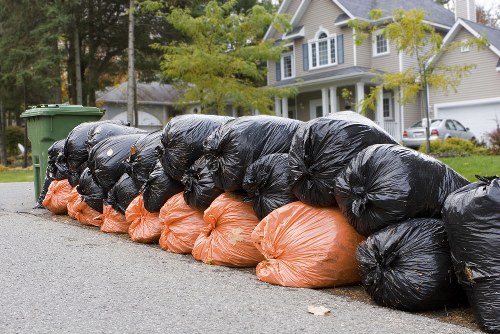
Commercial premises often need more than one kind of item removed in the same visit, and it is sensible to group compatible clearances where that makes the job more efficient. For example, office furniture and general rubbish can often be treated together, while specialist items may need to be separated into a different load. The point is not to create a more complicated process, but to make sure each material follows the right route while the premises are cleared in a single, orderly visit.
Where a job includes confidential material, appliance removal or bulky furniture, the different elements should be identified early so that the collection can be planned properly. This is especially helpful in premises with limited parking, shared entrances or secure areas. Clear instructions about what is to be removed and what is to remain on site reduce the chance of confusion and make the handover more efficient for everyone involved. Good preparation is simply about clarity, not about creating extra work.
When you are ready to move forward, send a short description of the waste, the location within the building and the kind of access available. That is enough to begin. If the job is ready to be priced, the final step is to request a quotation through the pricing and quotes page and share the main details there.